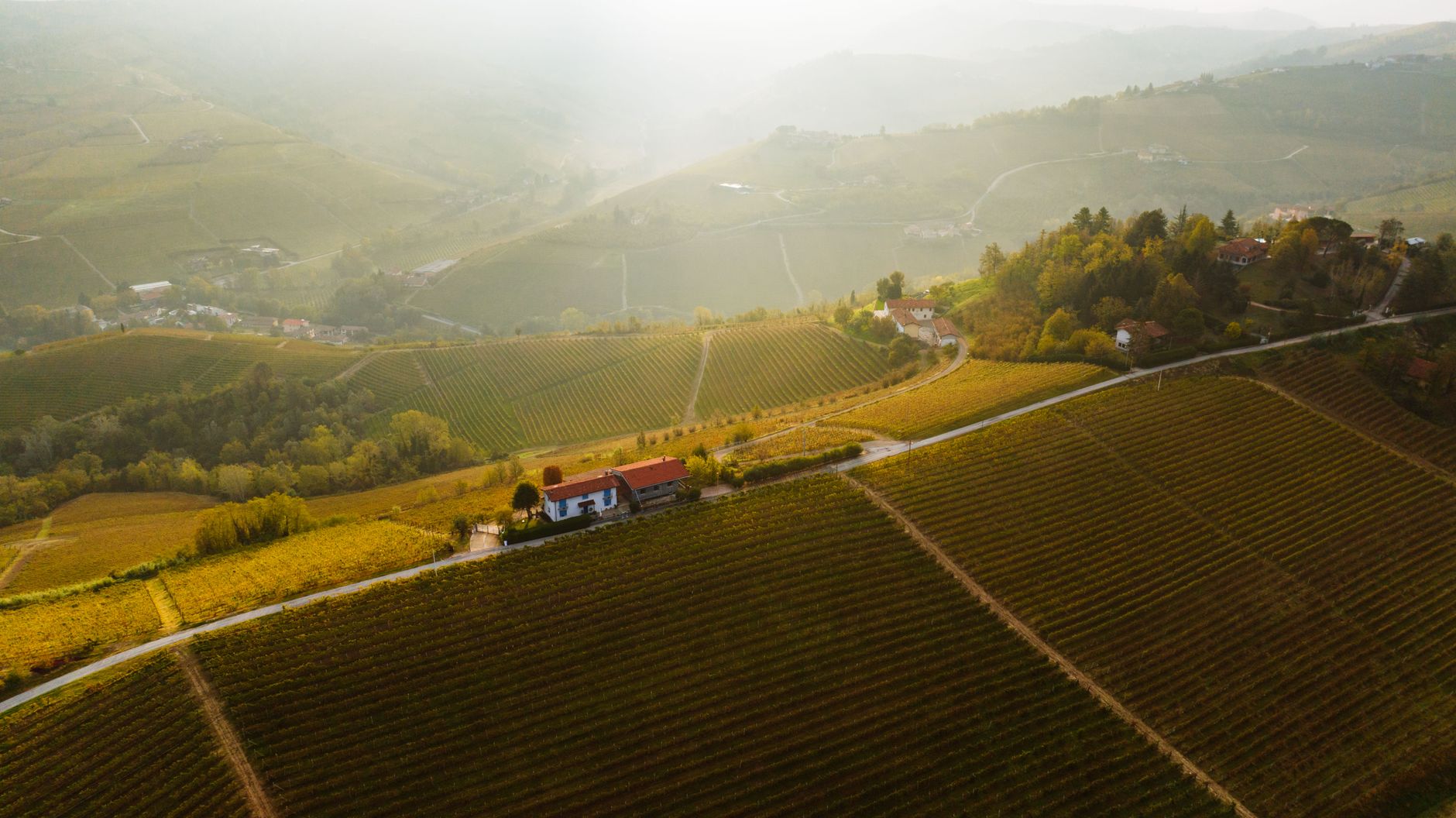
Wine is grown on every continent except Antarctica. The variety of styles, grapes, and flavors available today reflects thousands of years of winemaking tradition across dozens of countries. A brief tour of the world's major wine regions helps explain why wines taste so different from one another.
Old World vs. New World
Wine regions are often grouped into the Old World — Europe and the Middle East, where winemaking originated — and the New World, which includes the Americas, Australia, New Zealand, and South Africa. Old World wines tend to be labeled by place name (Bordeaux, Chianti, Rioja). New World wines are more commonly labeled by grape variety (Cabernet Sauvignon, Chardonnay, Shiraz). Both approaches reflect the character of the wine, but from different angles.
France
France remains one of the world's most influential wine-producing countries. Its major regions include Bordeaux, known for Cabernet Sauvignon and Merlot blends; Burgundy, home to Pinot Noir and Chardonnay; the Rhône Valley, producing Syrah and Grenache; and Champagne, the only region legally permitted to label its sparkling wine as Champagne under French and European law.
Italy
Italy produces more wine than any other country in most years, with a staggering diversity of indigenous grape varieties. Tuscany is home to Sangiovese-based wines including Chianti and Brunello di Montalcino. Piedmont produces Barolo and Barbaresco from the Nebbiolo grape. The Veneto makes Soave (white) and Amarone (rich, intense red). Italy's wine culture is deeply regional, and local cuisine and local wine have evolved together over centuries.
Spain
Spain has the most planted vineyard area in the world. Its signature red grape is Tempranillo, used in Rioja and Ribera del Duero. Albariño, a crisp white grape, thrives in the rainy northwest region of Galicia. Sherry, the famous fortified wine from Jerez in southern Spain, ranges from bone-dry (Fino, Manzanilla) to rich and sweet (Pedro Ximénez).
United States
California is the dominant American wine state, producing about 85% of US wine. Napa Valley is world-famous for Cabernet Sauvignon; Sonoma is known for its diversity. Oregon has built a strong reputation for Pinot Noir, particularly in the Willamette Valley. Washington State produces excellent Cabernet Sauvignon and Merlot. American wines are labeled primarily by grape variety.
South and Central America
Argentina is South America's largest wine producer, with Malbec its most celebrated grape, grown primarily in the high-altitude Mendoza region. Chile produces excellent Cabernet Sauvignon, Carménère (once thought to be Merlot), and Sauvignon Blanc. Both countries offer tremendous value relative to comparable European wines.
Australia and New Zealand
Australia is best known for Shiraz (the same grape as France's Syrah), particularly from the Barossa Valley and McLaren Vale. New Zealand has become a benchmark producer of Sauvignon Blanc, especially from the Marlborough region on the South Island, and of Pinot Noir from Central Otago.
South Africa
South Africa's wine industry is centered in the Western Cape, near Cape Town. The country is known for Chenin Blanc (locally called Steen), Pinotage (a cross between Pinot Noir and Cinsaut), and a growing range of Cabernet Sauvignon and Syrah. The Stellenbosch and Franschhoek regions are particularly well regarded.
Germany
Germany is the world's greatest producer of Riesling, a grape capable of expressing anything from bone-dry to intensely sweet styles. The Mosel, Rhine, and Nahe regions produce wines of extraordinary precision and longevity. German wine labels can be complex, reflecting the ripeness level of the grapes at harvest and the specific vineyard of origin.
Portugal
Portugal is best known internationally for Port, the fortified wine produced in the Douro Valley. However, the country also produces excellent dry table wines, including those from the Alentejo, Dão, and Vinho Verde regions. Vinho Verde (literally "green wine") is a light, slightly effervescent white wine meant to be drunk young and fresh.